Teaching

Teaching through curiosity, community, and care.

My teaching philosophy is anchored in three values: cultivating curiosity, fostering community, and empowering students to use knowledge in real-life contexts.

Teaching Philosophy

I began teaching labs as a master's student at Cal Poly San Luis Obispo because I loved my own teachers and wanted to become the kind of educator who could make students feel awake to the world. Early on, I realized that knowing the material was not enough. The best teachers I observed drew students into their classes through story, performance, humor, and genuine personal connection.

That changed how I understood teaching. The botany lab was not only about botany. It was about creating a community where students could feel free in their curiosity, know each other, and understand why their knowledge mattered. I now build classes around students' interests, motivations, and lives, so the course becomes something we make together.

One small ritual captures this for me: I ask students, "What did you learn this week?" It often starts with course content and quickly becomes a space for students to share research, passions, life lessons, and support for one another. When one student shared her research on black holes, our class showed up for her at a campus symposium. That is the kind of classroom community I want to cultivate.
Curiosity

Inviting students into science

I want students to ask questions, notice patterns, and see ecology as a way to understand the living world around them. Stories, field examples, and research case studies help me turn course material into something students can feel and use.

Community

Learning through connection

I treat field courses and labs as social ecosystems. Students learn through content, but also through recognition, peer support, shared challenge, and the feeling that they belong in the scientific community.

Application

Learn by Doing

I am committed to giving students hands-on opportunities. I have supported conference presentations and created research experiences around organizing plant specimens, entering field data, and contributing to active projects.

Equity & Care

My teaching is rooted in empathy. Students arrive with different responsibilities, pressures, learning needs, and histories with science. I try to design courses with flexible timelines, multiple ways to engage with material, and a classroom culture where students feel valued and heard.

Mental health matters in my classrooms. Community-building, clear expectations, and access to support are not extras; they are part of making rigorous learning possible. This is also why my biology education research focuses on improving the persistence of underserved student groups in ecology and related disciplines.

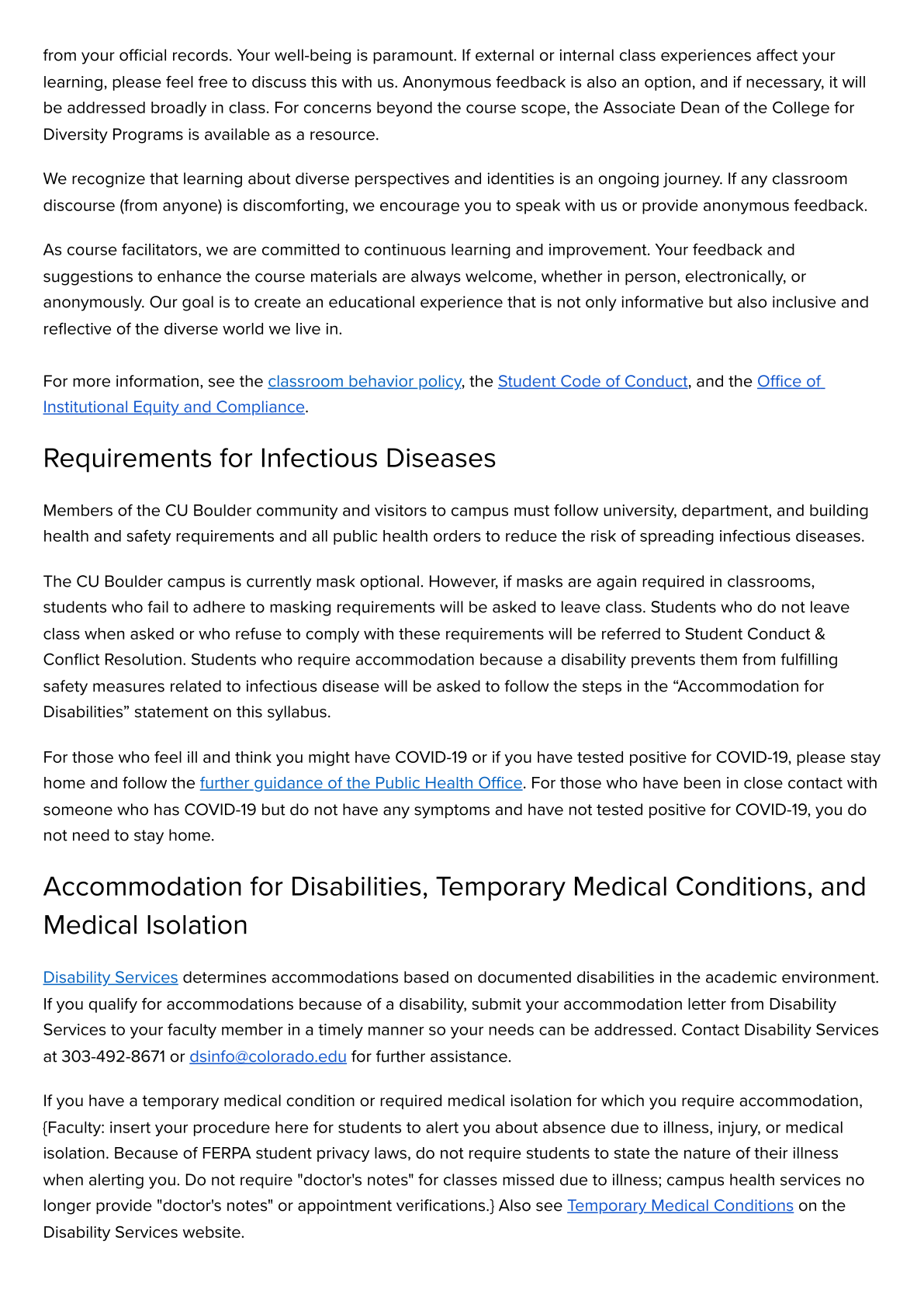
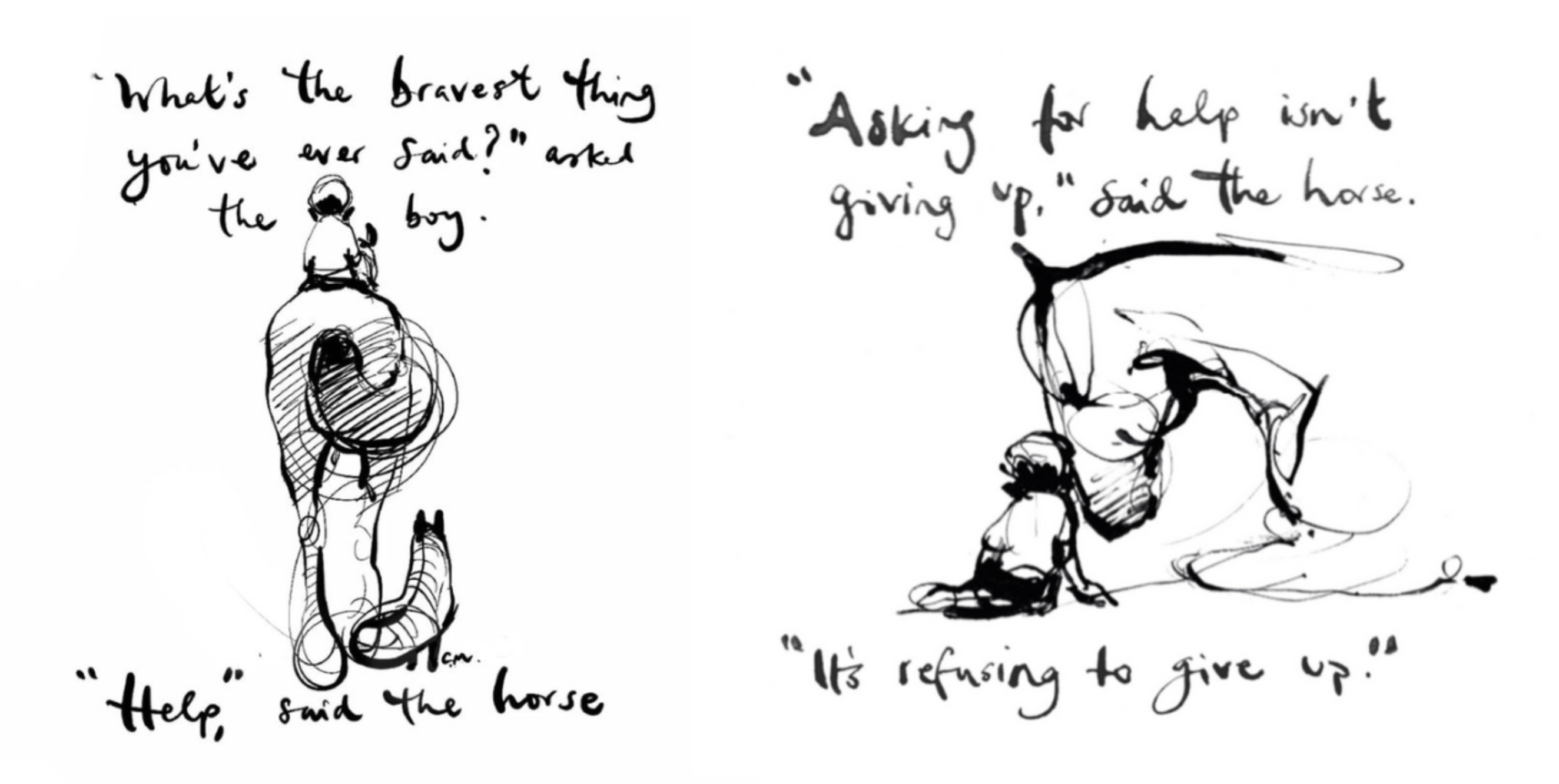
Illustrated quote from The Boy, the Mole, the Fox and the Horse about asking for help and refusing to give up

Courses

Past courses I have taught

Across available Cal Poly course evaluations, my overall instructor effectiveness rating was 4.94/5 from 87 student responses.

Instructor | 2024-current

Rooting in Research

Amy Dunbar-Wallis, Sarah Elizabeth Stockman

4.51/5 average across instructor-focused items | 15 of 17 students responded

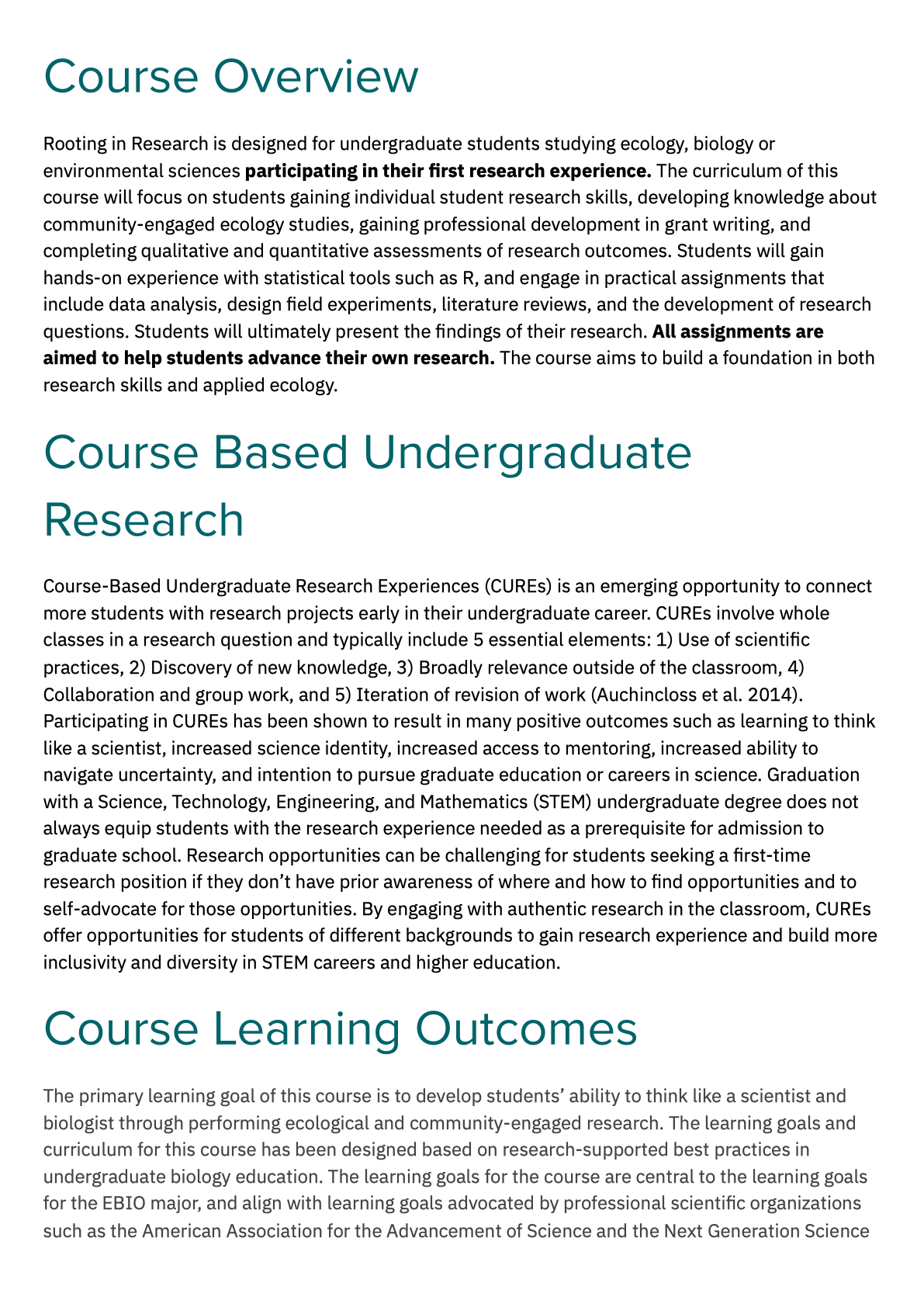
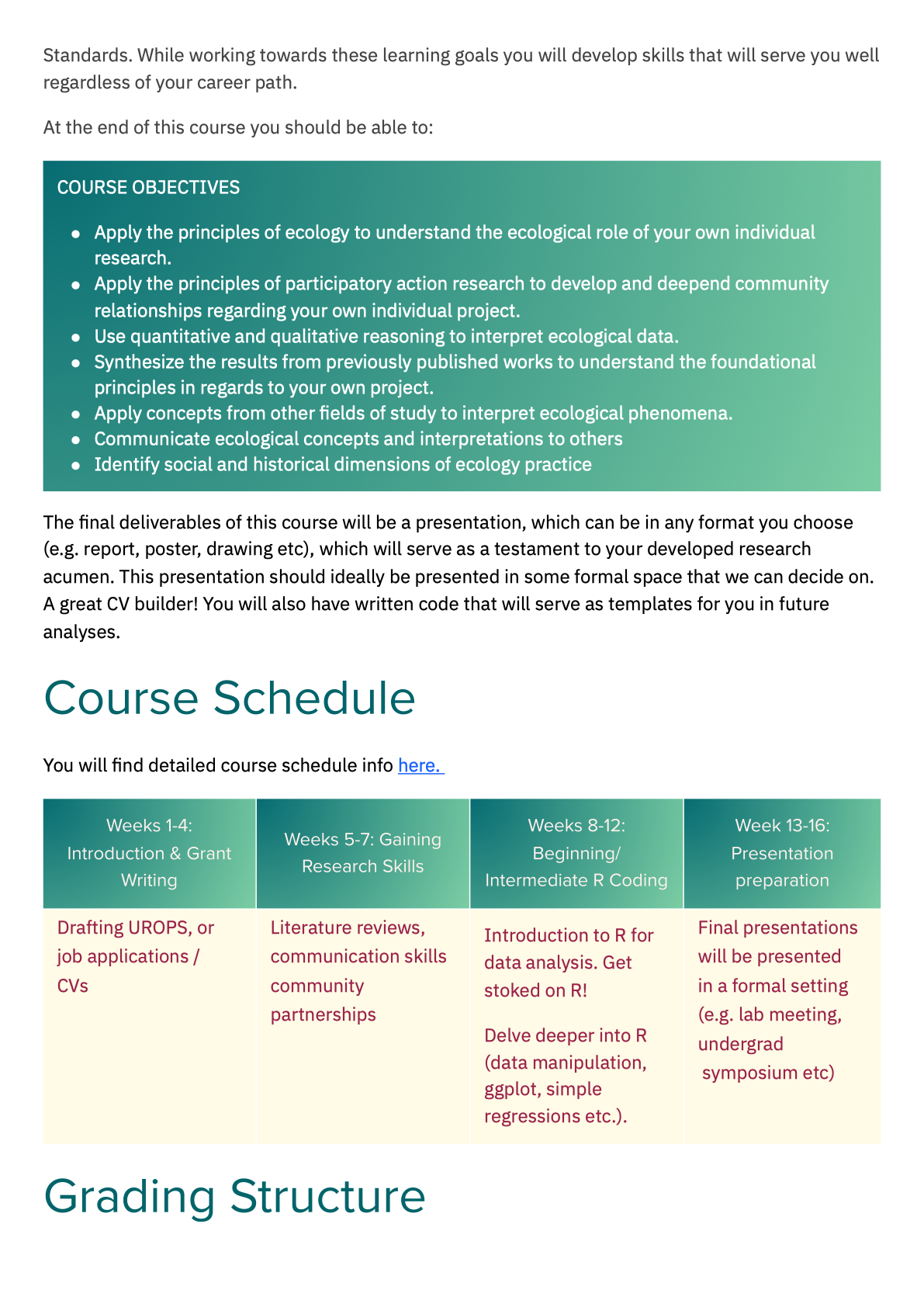
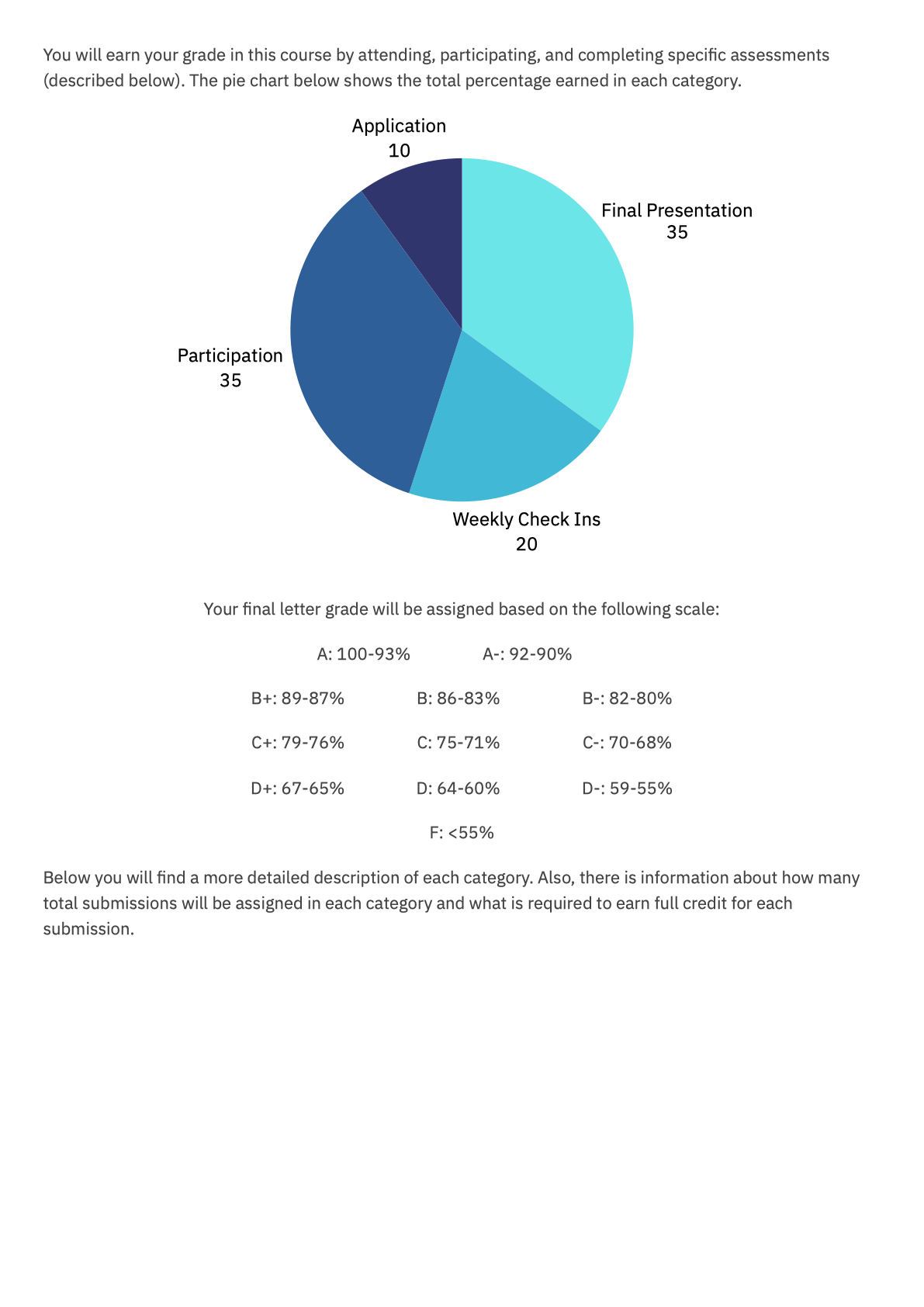
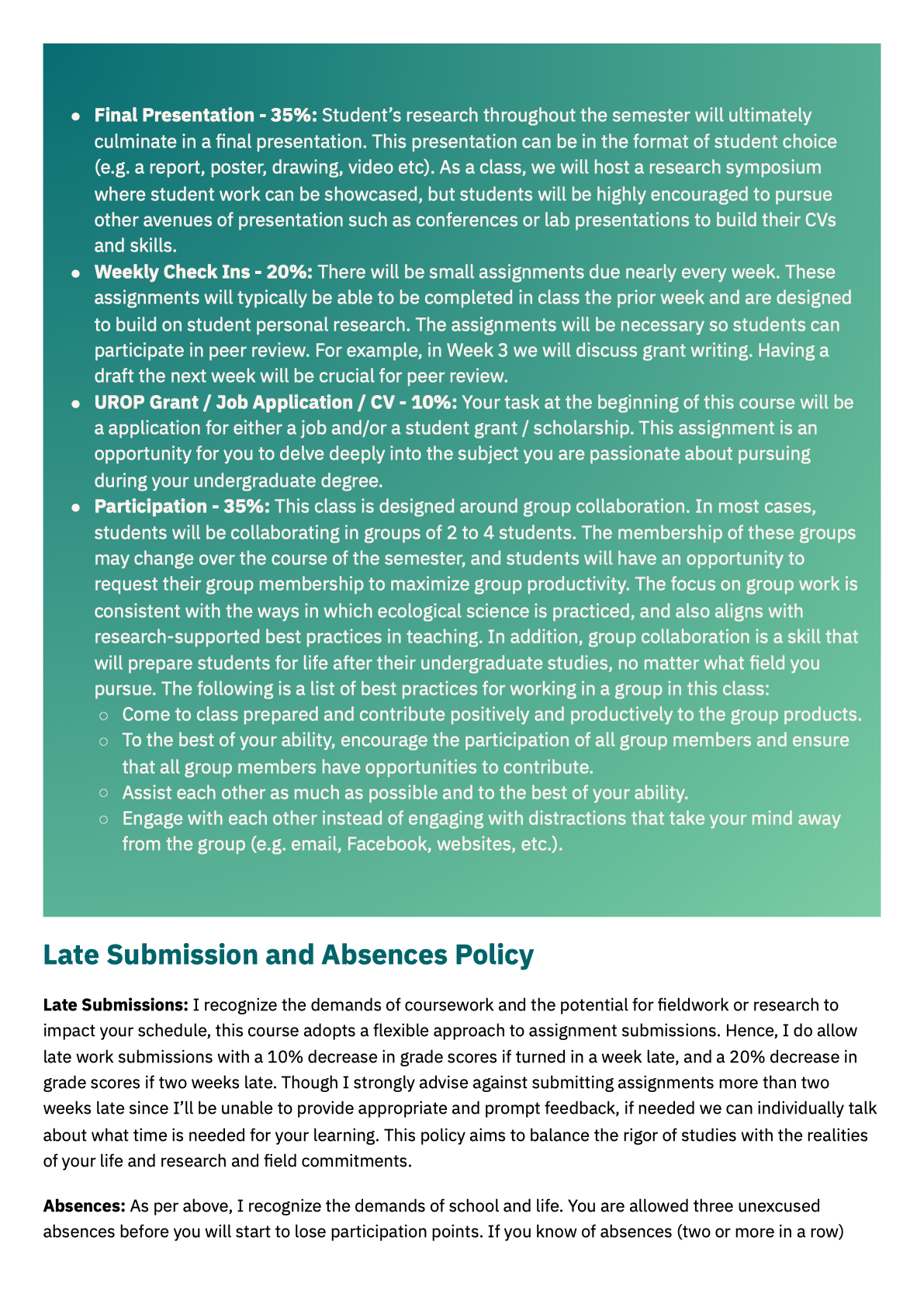
Co-developed materials for an undergraduate research course designed to help students new to research navigate research spaces. This course is now part of the CU Boulder EBIO curriculum.

"Annie went above and beyond to support us in and outside of the course."
"Every week I learned something new that helped me become a better researcher and scientist."
"Overall Annie Meeder has done an excellent job of teaching, inspiring and giving feedback."

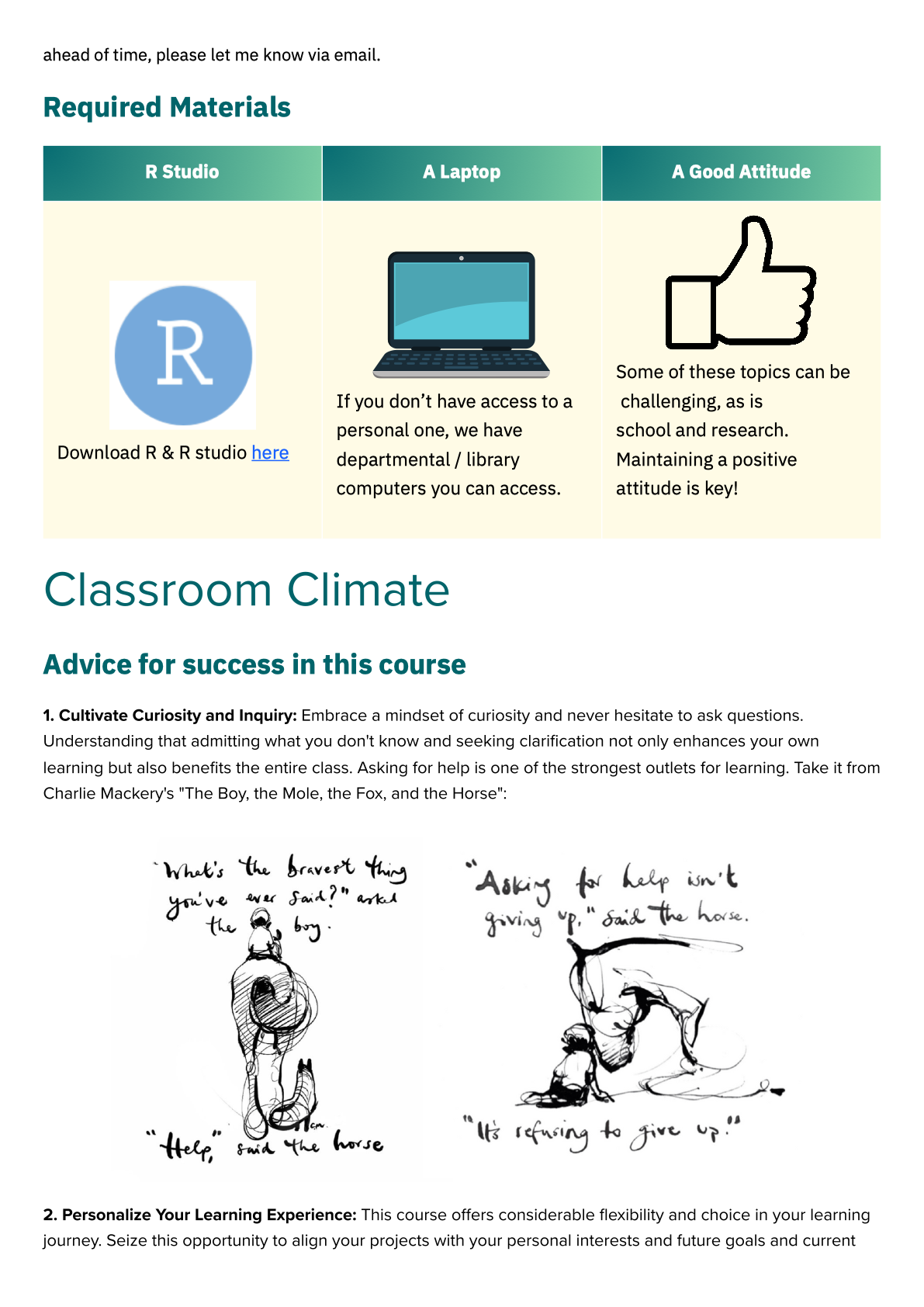
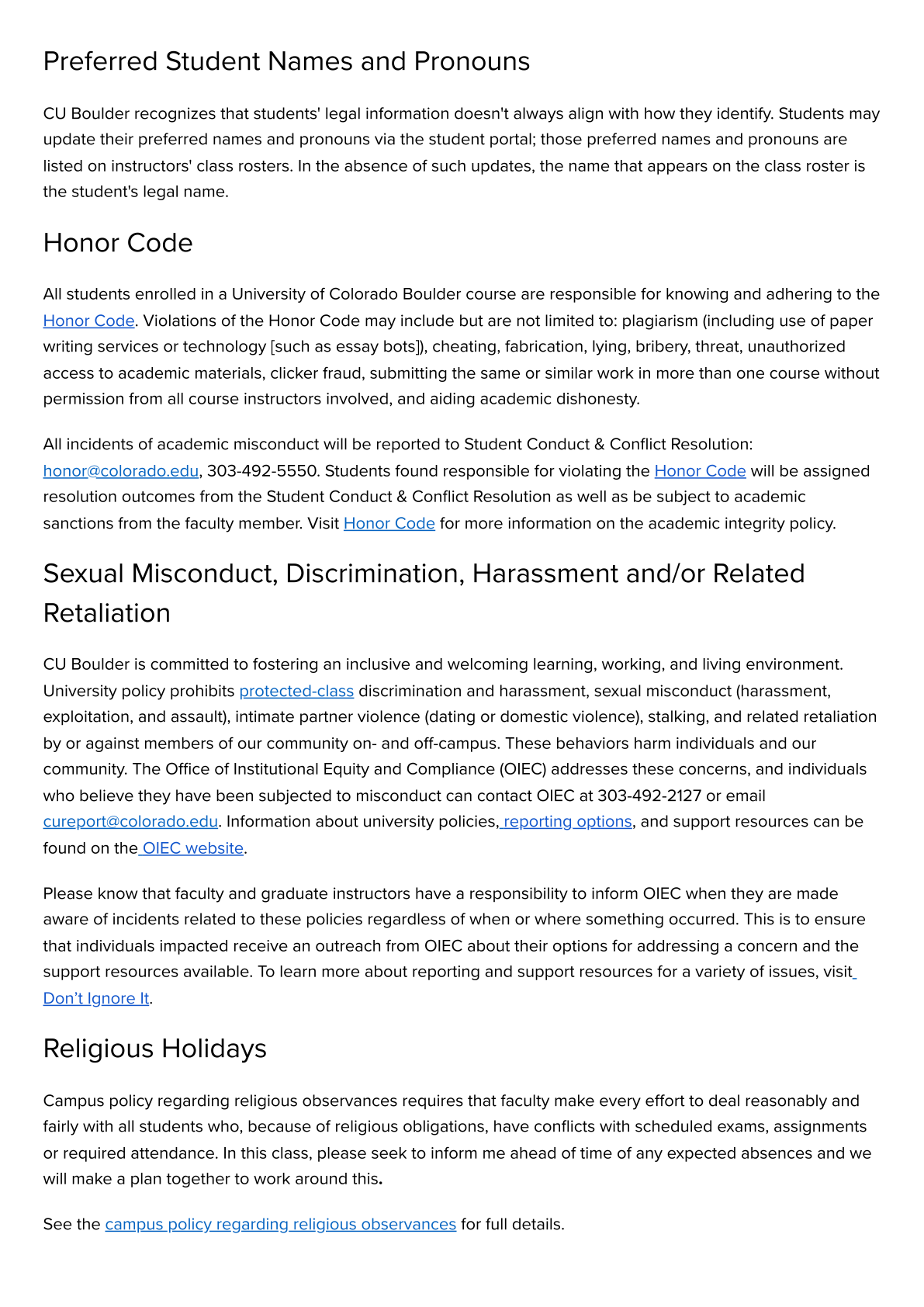
Rooting in Research syllabus preview

Rooting in Research syllabus page 1 Rooting in Research syllabus page 2 Rooting in Research syllabus page 3 Rooting in Research syllabus page 4 Rooting in Research syllabus page 5 Rooting in Research syllabus page 6 Rooting in Research syllabus page 7 Rooting in Research syllabus page 8 Rooting in Research syllabus page 9

Teaching Associate | 2022-2023

BOT 121: Intro to Botany

Dr. Nishi Rajakaruna, Dr. Matt Ritter

4.97/5 overall instructor effectiveness | 39 student responses across available sections

Taught multiple in-person three-hour lab sections, prepared and graded quizzes and homework, delivered lab lectures, coordinated with instructors and lab coordinators, and managed online course materials.

"Her passion and excitement for botany was contagious and motivated me to really try."
"Annie made botany such a fun subject to learn."
"I always felt comfortable going to her for any concerns."
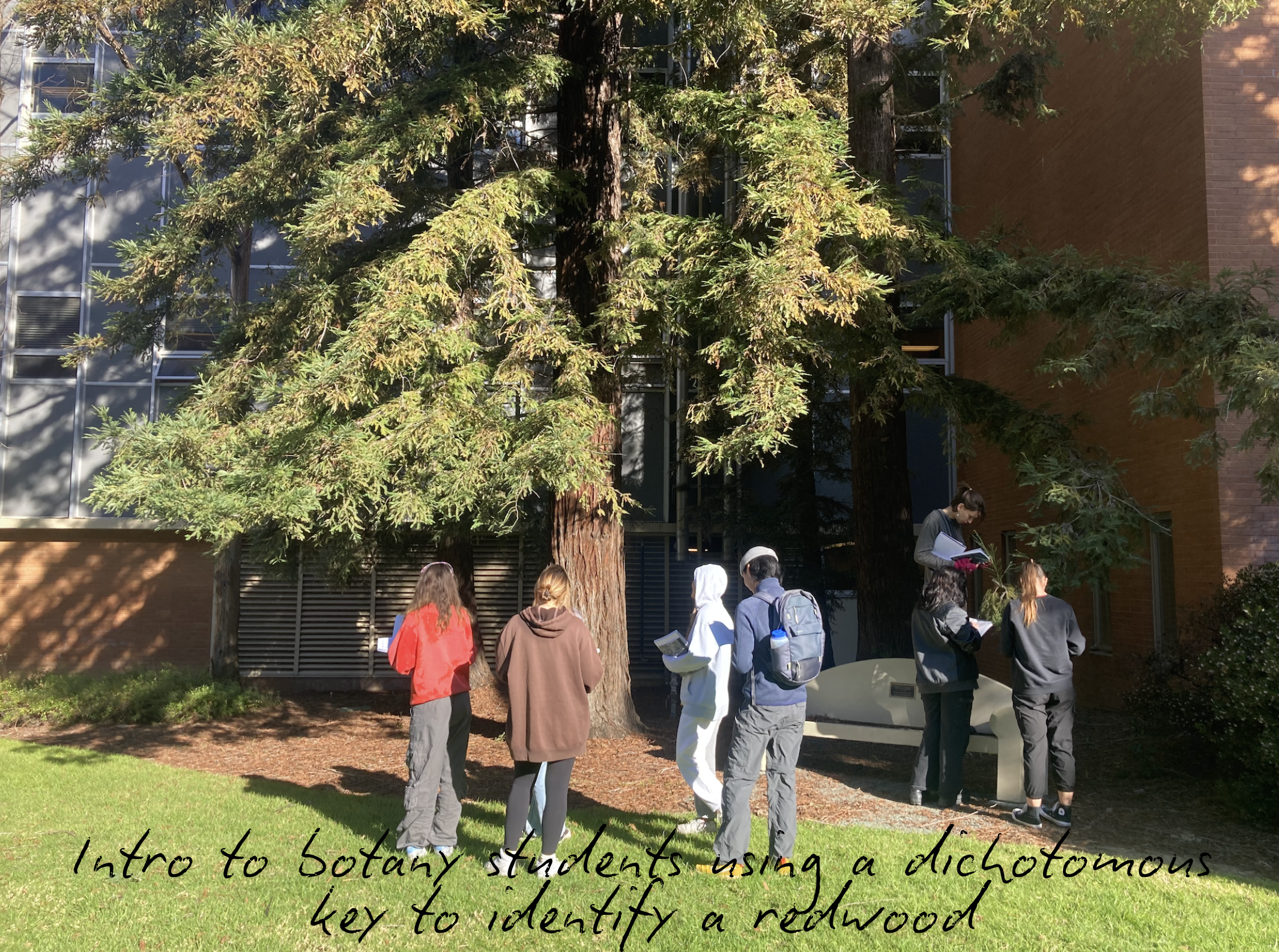
BOT 121 students using a dichotomous key to identify a redwood

Teaching Associate | 2023

BIO 114: Plant Ecology and Diversity

Dr. Natalie Love, Dr. Matt Ritter

4.92/5 overall instructor effectiveness | 48 student responses across available sections

Instructed biweekly three-hour field labs designed to reduce plant blindness among undergraduate students. Received consistent teaching ratings of 4.9 or above out of 5.

"She has inspired me to be more curious and observant about what is around me."
"Annie cared about each student individually and worked with them to support their needs."
"Her excitement and enthusiasm inspired the same in me."
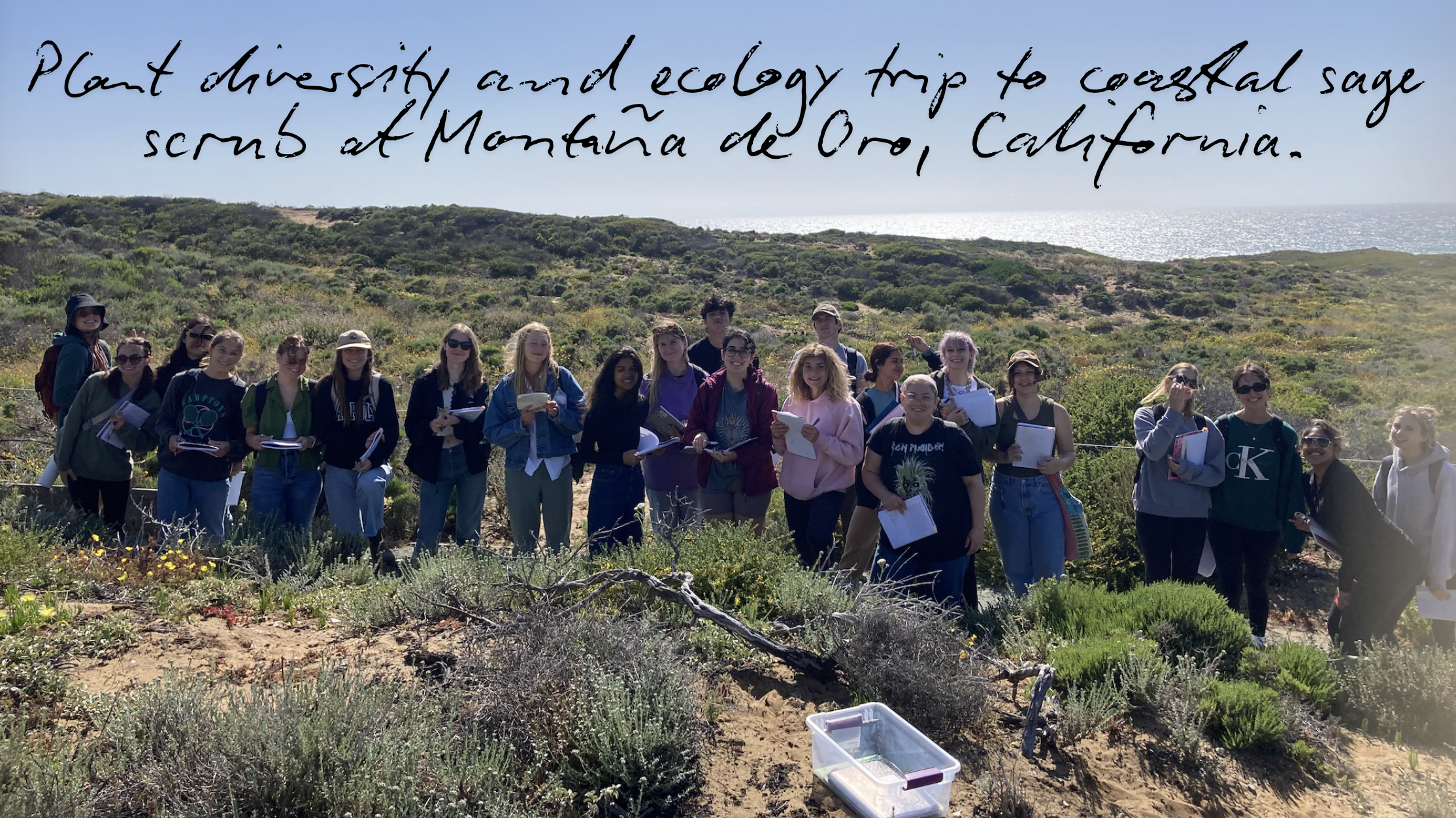
BIO 114 plant diversity and ecology field trip to coastal sage scrub at Montana de Oro
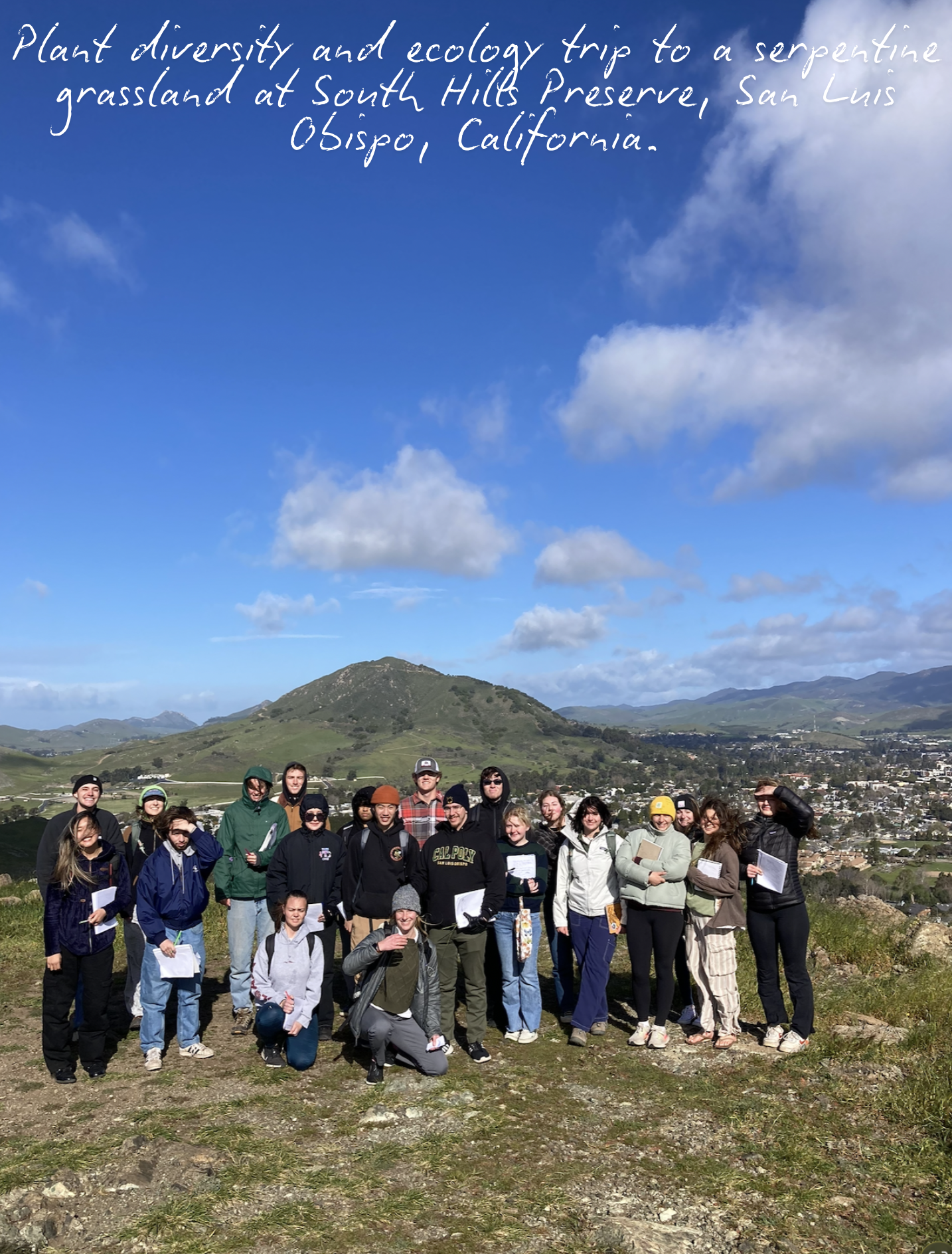
BIO 114 plant diversity and ecology field trip to a serpentine grassland at South Hills Preserve

Teaching Associate | 2023

BIO 400: Island Ecology and Specimen Management

Dr. Jenn Yost

Independently conducted a weekly two-hour course for students learning to become effective undergraduate researchers, with emphasis on Channel Islands systems and ecology, field research practices, and herbarium specimen management.

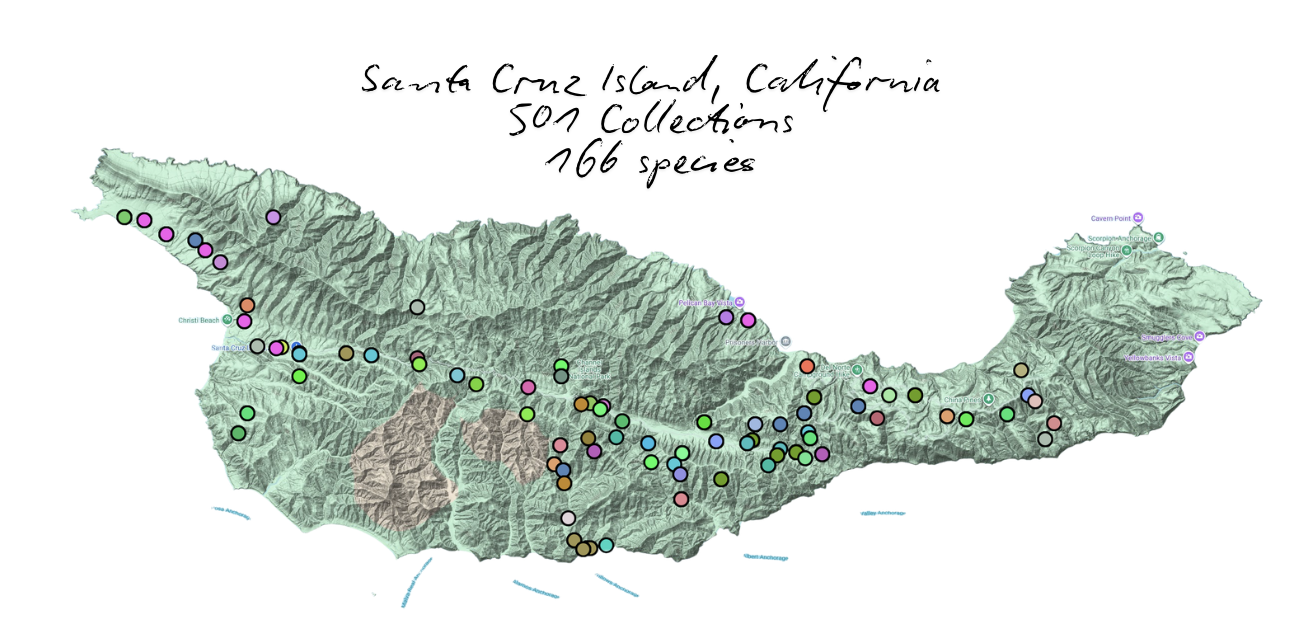
Map of Santa Cruz Island plant specimen collections
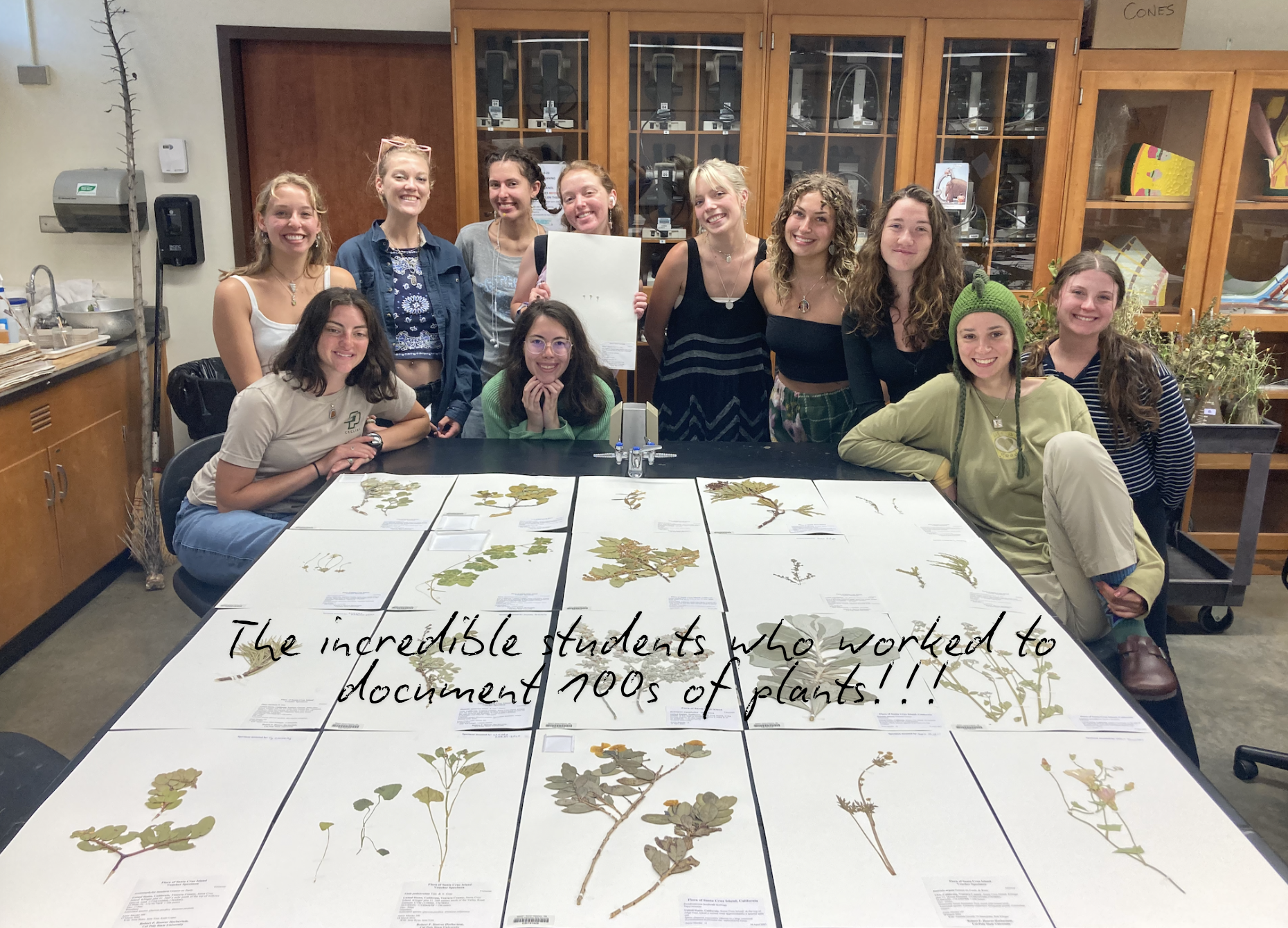
BIO 400 students documenting herbarium plant specimens

Lead Teaching Assistant | 2021-2023

BIO 433: Field Botany

Dr. Jenn Yost, Dr. Matt Ritter

Supported student learning in a rigorous field course across California's major plant communities, including scientific names and identification features for 500+ species. Collected specimens, prepared materials for the Hoover Herbarium, led review hikes, and helped plan and coordinate three field trips.

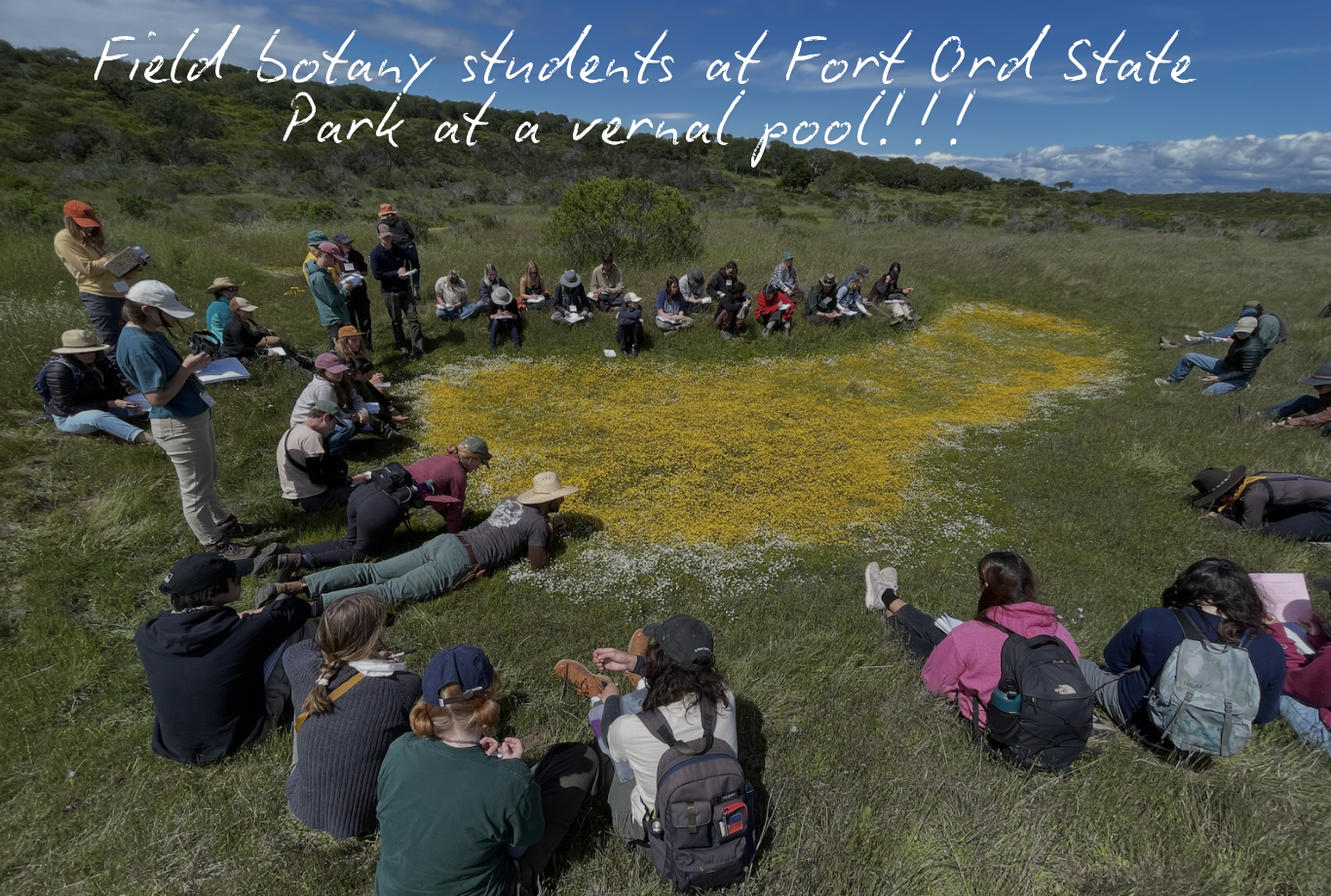
Field Botany students at Fort Ord State Park near a vernal pool
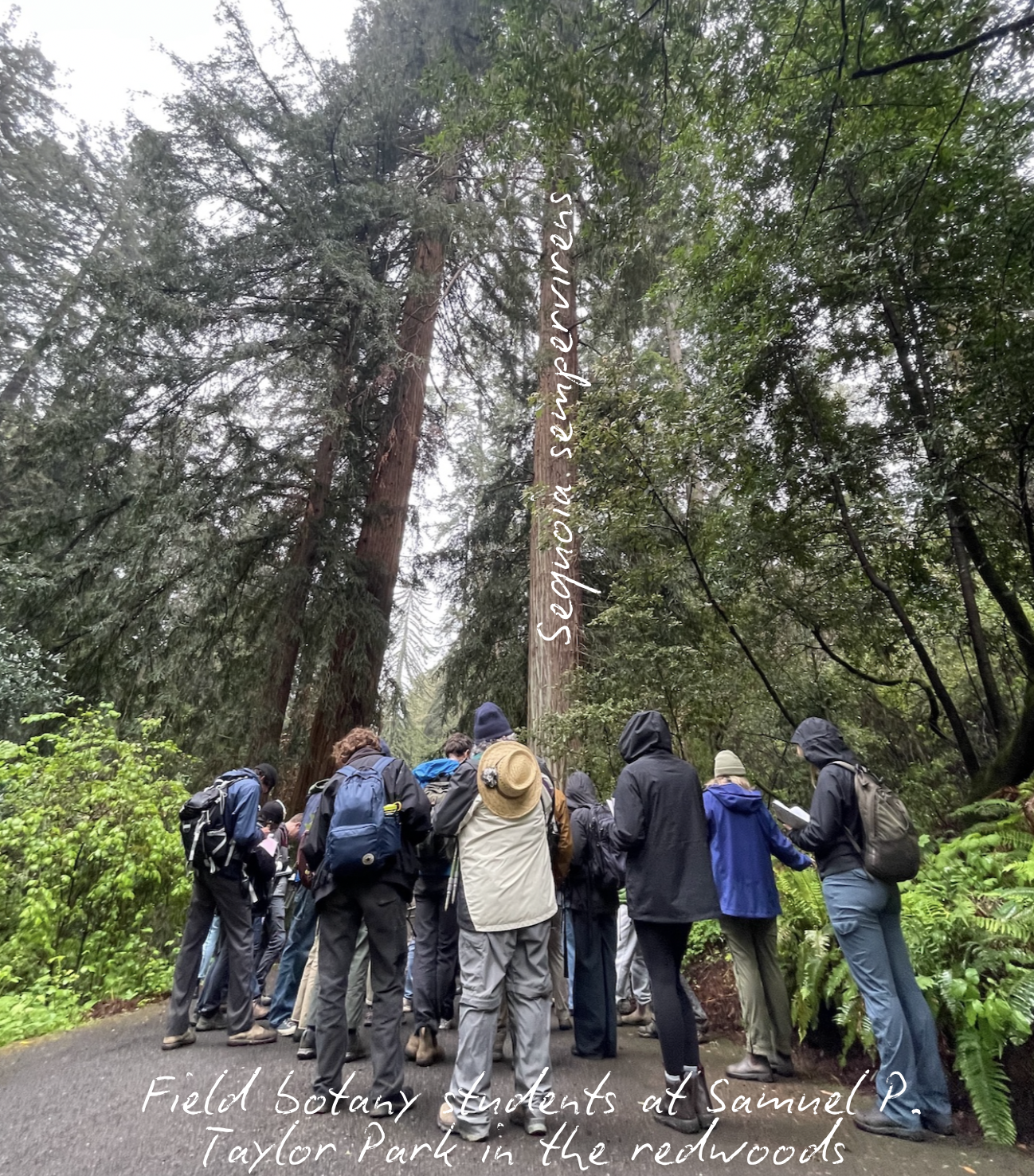
Field Botany students in the redwoods at Samuel P. Taylor Park